Reviewed on:
PlayStation 5
Platform:
PlayStation 5, Xbox Series X/S, PC
Publisher:
Focus Entertainment
Developer:
Asobo Studio
Rating:
Mature
If Resonance’s subtitle, A Plague Tale Legacy, scares you off because you don’t know the larger franchise, fear not. I am living proof that playing the previous two Plague Tale games (which follow different characters and take place after this game) is not required. But as an early compliment to protagonist Sophia’s adventure, I am now a fan and grateful to have an excuse to spend more time in this world. Resonance is not a particularly innovative game, but its well-realized characters, impressive performances, fun-if-simple combat, and rewarding environmental puzzles make for a well-paced and engaging experience that should make Sony raise an eyebrow.
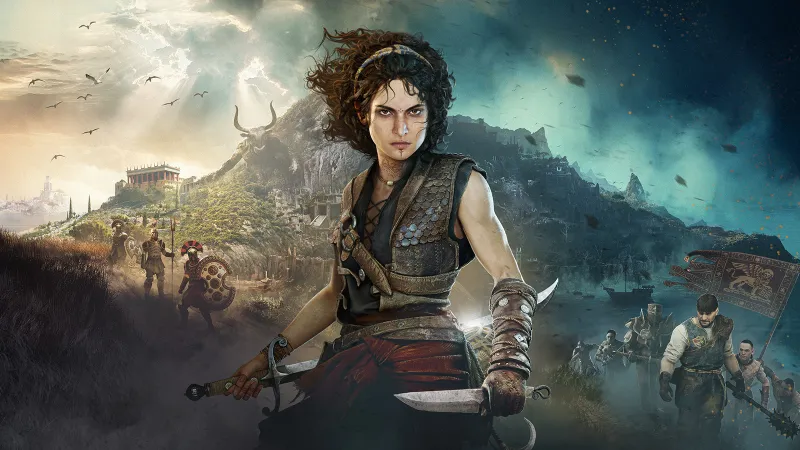
Whether intentionally or coincidentally, Resonance is an impressive cross between Uncharted and God of War, even if it never quite reaches the heights of either. Sophia is a scoundrel of sorts, having grown up in a supportive pirate community after her father was forced to save her from a dangerous childhood situation. A mystical connection draws her to a mysterious island, but it has claimed the lives of many of her peers. I was eager to learn why the island affects Sophia and see the story to its conclusion from the moment the game began.
Sophia is a secondary character in 2022’s A Plague Tale: Requiem, and though I didn’t meet her there, I quickly understood why developer Asobo Studio decided to give her her own game. She is strong, smart, and like many of the pirates in her community, I questioned why she wasn’t already in charge. Sophia’s relationships are established well and quickly, and it makes the stakes of her dangerous adventure appropriately threatening. The performances in the game are also excellent, effective in both the dramatic moments and the quiet conversational ones.
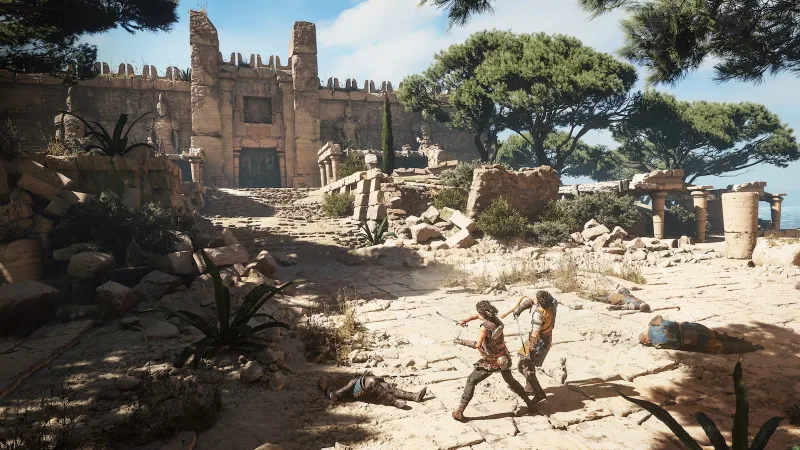
Gameplay alternates between light platforming, stealth, puzzle-solving, and sword combat. No single mechanic stands out as particularly unique or novel, but they are all well-executed genre staples. Combat is a highlight in its simplicity, with no flashy combos, but a very smart health system. Sophia can take three hits, and when she defeats an enemy, she recovers one of those hits. It’s a small twist on the typical health system of a sword action game, but it does a great job of keeping you on your toes. Sophia isn’t a glass cannon, but I felt the perfect amount of stress behind nailing a counter in just about every combat scenario.
Stealth is where I hit the most hurdles in Resonance and sometimes got annoyed, mainly because of how it affected the overall pace rather than frequent failures. The monster you are trying to avoid in these stealth sections (which are backloaded toward the last third of the game) is genuinely scary and not a type of enemy I can recall combating in comparable games. It is perhaps the element of Resonance I will remember most, both in terms of its gameplay machinations and for how it plays into the plot when I reflect on the game in the future.
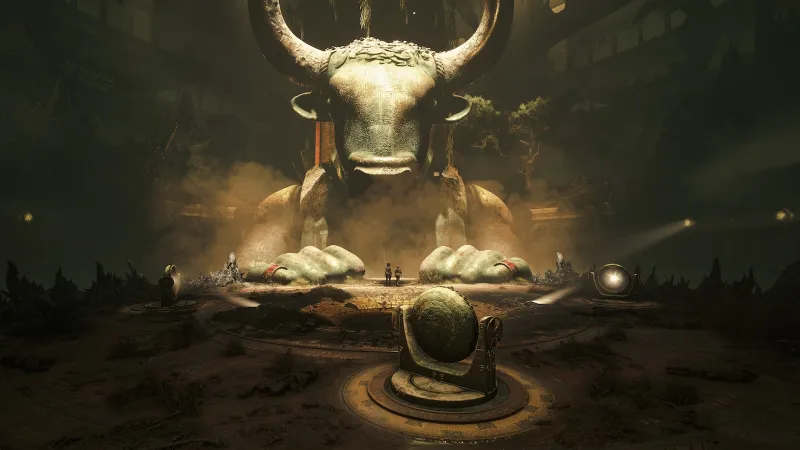
Resonance: A Plague Tale Legacy borrows from many games. There are puzzles with Tomb Raider flavors; like Nathan Drake, Sophia has never known the comfort of a stable platform; and the combat and ties to Greek mythology recall games like God of War. What’s impressive here is how well Asobo Studio executes those familiar genre staples and delivers a moving story starring a charismatic pirate on what may be the most impactful and tragic adventure of her life.





Score:
8.5
About Game Informer’s review system
feedzy_import_tag
About the Author