Ahead of the holiday season, we gathered some of our favorite video game recommendations focused on family interaction, spoke with Jackbox Games and Halfbrick (creators of Bluey’s Quest for the Gold Pen) about what it takes to make a game that everyone can enjoy together, and even have tips for new parent gamers hoping to introduce kids to their (and our) favorite hobby.
From its inception, video games were created to encourage social interaction. Tennis for Two in 1958, arguably the first video game, had two players compete in digital tennis against one another. The single-player video game came later, and as much as we love them, some of our best gaming memories are centered around playing with family and friends. And as we get older, we’re making new gaming memories with our own kids.
Making video games is hard. That any game crosses the finish line is a miracle of teamwork and perseverance, and the hardest trick of all is making the final product feel effortless. Arguably, none are more practiced at feeling like effortless joy machines than the games that effectively include players of all ages and skill levels in the experience. And to take it a step further, Jackbox Games is perhaps the best at this sub-genre of video games: inclusive party games that are genuinely for everyone.
Jackbox Games studio creative director Arnie Niekamp sheepishly and humbly agrees when I offer this accolade and also says thank you. “It really matters to us,” Niekamp says. “We really value, first, just inclusivity in general, and are always trying to think of how we can make our games playable by as many people as possible, or how we can expand that.”
Jackbox Party Pack 12
Games For Literally Everyone
Jackbox Games has released its 12th Party Pack by the time you’re reading this issue, and part of the secret of that ongoing success is that its creators stick with the company for a long time. “The person that came in and started making games as a young single person also ages into having a family, having kids, and having that perspective of, ‘Oh wait, it’s also really fun to play these games with my kids, with my family.’”
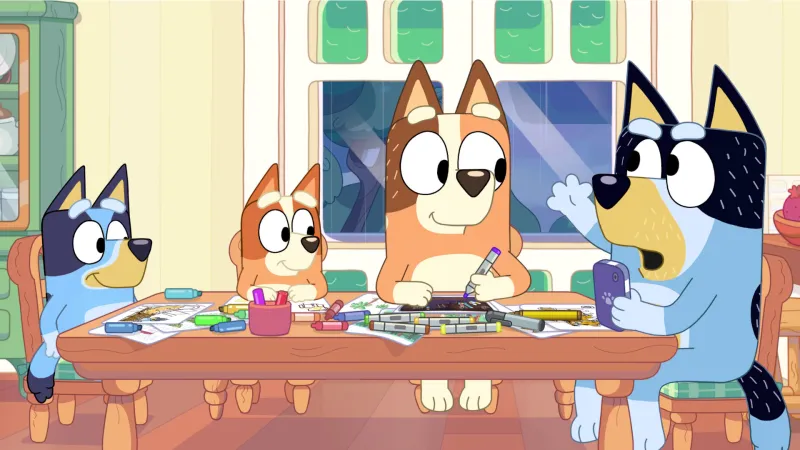
Even if a game is primarily focused towards young players, being fun for everyone is “very important” Halfbrick writer Brendan Deboy says when talking about making Bluey’s Quest for the Gold Pen. “Bluey’s humor, relationships and themes give children and parents reasons to enjoy its stories together. We wanted that shared enjoyment to carry into the game.”
Brooke Breit, Jackbox’s game product manager and The Jackbox Party Pack 12’s lead, cites that family element as an important detail to making games for everyone. “We playtest our games constantly throughout production amongst ourselves, and that’s one of the markers of, ‘Are we hitting success within the mechanics? Within how it plays?’” Breit says. “And part of that also involves us playing with our own families as a part of that playtesting process […] All of our kids have a lot of opinions on what makes a really good Jackbox game.”
Breit also points out a metric the team has accidentally discovered over the years that has helped them figure out why a game works for all ages when the creation process happens to be going well. “There’s a little bit of… maybe the younger and older crowd also intersects with the drunk crowd,” Breit says with a thoughtful laugh.
Deboy also discusses the importance of family playtesting saying, “Children of Halfbrick parents playtested the game, with ages ranging from four to 10. Their parents reported what they enjoyed most and where they became stuck.” And avoiding the stickiness is crucial. “We wanted challenges to be satisfying without any single obstacle preventing someone from seeing the rest of the game,” Deboy says. “If something is too difficult, they can leave it, try another activity and return later. Harder challenges were often tucked away in harder-to-find places, helping players encounter easier activities first.”
Super Mario Party Jamboree
No Phones (Kind Of)
Jackbox also figured out another secret weapon for great family gaming and gaming with kids: getting away from cell phones. This may be an odd element to cite considering the vast majority of Jackbox games are played collectively on individual phones, but when you’re using your phone as a controller, you’re not using it to check social media.
“You can’t get phones out of people’s hands anyway, so you might as well use it as a tool,” Niekamp says. “Engagement is absolutely a huge part of our design, and we talk a lot about what is on your device,” Breit says. “What is on the game screen? Where do we want people’s focus to be at any given moment? And are we giving opportunity and motivation for people to talk to each other and actually engage with each other?”
Deboy cites another way to encourage engagement as it did with Halfbrick’s Bluey game. “We wanted everyone to be able to finish the game, while giving players of different ages and abilities things to enjoy. That meant providing choices. Some activities test timing and motor skills, while others reward exploration, searching or logical thinking. Players can choose what suits them without having to complete every obstacle.”
When asked what other cooperative and family-focused games are doing right and wrong, Deboy and the Halfbrick team recalled games they played (and got annoyed with) when they were young. “Some of us remembered childhood games where one difficult boss or tricky section stopped us from ever reaching the end,” Deboy says. “You could spend weekend after weekend trying, or replay the opening levels because those were the only ones you could finish. That experience informed our approach.”
Niekamp points out his appreciation for games like Mario Party (which he calls brilliant, but wishes it moved a little faster), but mainly says there just aren’t enough fun co-op family games. “I wish there were more,” Niekamp says. “Especially when your kids are younger, there’s a real sweet spot of like… it’s so great when you start playing stuff together, and finding those things is so incredible and awesome, and then you just start to feel like you run through them pretty fast, and you’re sort of looking for more.”
We agree with Niekamp, and alongside helpful tips for how to introduce young or new players to video games, you can also read on for some of our recommendations (including a different, but similarly fun Bluey video game) for recent games we think are particularly suited to playing with your family.
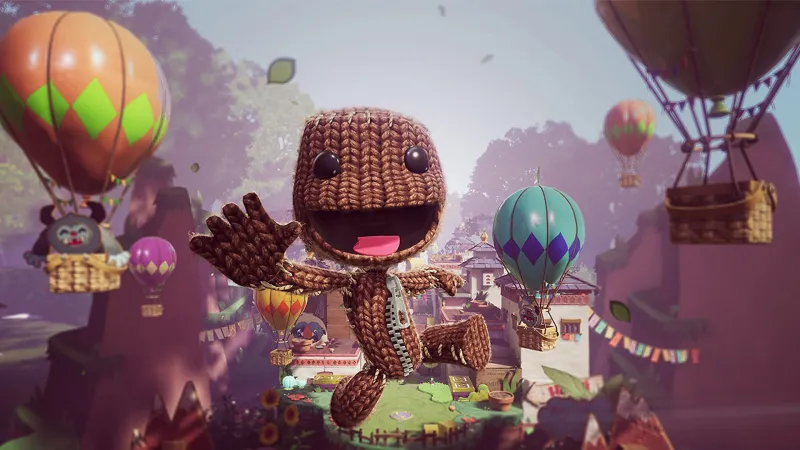
Sackboy: A Big Adventure
How to Introduce Kids to Your Favorite Hobby
Whether it’s your friend’s kids, nephews and nieces, or your own children, many of us are eventually confronted with the challenge: How can I share my love of gaming with someone younger who is just getting into the hobby, and enjoy the experience with them? Here are some tried-and-true tips that have served us well.
Spectate To Start
Especially with the youngest set, gaming can start with opportunities to watch and contribute as you play. Choose low-complexity exploration games with some freeform choices about where to go, cozy games with building options, or age-appropriate narrative games. You handle the controls, but let your kid choose how to proceed. Talk to them about what you’re doing. Tell them more about the game and why you like it. Help them feel like the cool things that happen are the result of their choices.
Patience
It should perhaps go without saying, but once they have their hands on the controller, accept moving slowly as a rule. Encourage small wins like learning which button does what. Don’t criticize mistakes. Acknowledge that losing and failing, and then coming back to try again, is part of the fun. Choose games with simple control inputs, easy modes, and forgiving restarts on failures. If you want them to eventually be able to play at your level, be patient enough that they want to keep playing.
Cooperative Wins
Once they’re ready to actively play together, it’s hard to go wrong with cooperative play. In particular, watch for titles that allow one cooperative partner to help the other out of a bind with revives, carries, or boosts. Celebrate together when you overcome a notable challenge, even if you did most of the work.
Don’t Overdo It
Start with short sessions, and follow their interests and focus level. Even if you’re in the middle of an exciting section of a game, take a break when you sense they’re getting frustrated – at least at first. Regardless, don’t play too long. Resilience in confronting really tough encounters, puzzles, or challenges can come with time. Watch for things that are scary – even if they don’t seem like they should be scary – and either divert from that thing, or talk together about the difference between a game and real life.
Stay Offline
There are plenty of amazing online games, and many can be safe to play with kids. But other players add a level of randomness that can lead to major frustration, unsafe incoming communication, and wildly different skill levels. Start with games that don’t require playing with others online, and if you do graduate to online play at some point, stay directly involved in play sessions.
Follow The Excitement
While you can introduce your favorites, kids will quickly learn what they like. Follow that enthusiasm, and engage with the games and experiences they’re excited about. Ignore the advice above that doesn’t apply to your new gamer; some kids will love competitive play or be eager to confront high challenge and frustration, and that’s just fine. Like most things about raising kids – listen to what they’re communicating, and build what they love into your gaming together.
Recent Recs
Good family games have the potential to become memorable staples in bonding and communication. Here are some recent games we’d recommend for playing together with the people you love and the people who annoy you (but you still love them anyway).
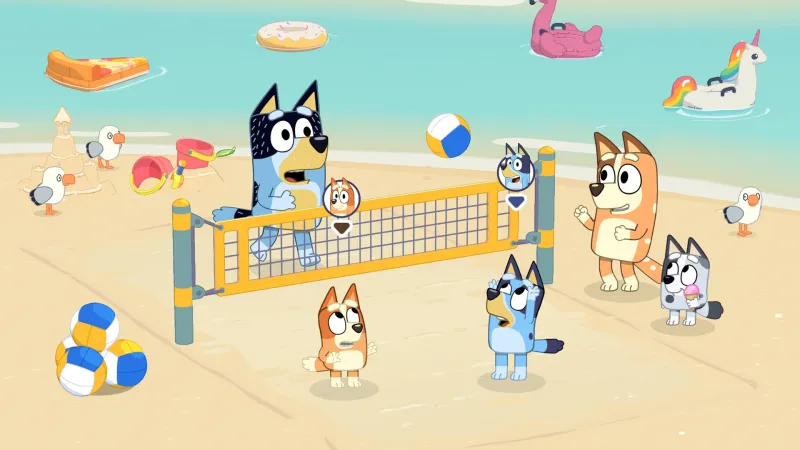
Bluey’s Happy Snaps
Parents likely need no introduction to the Heeler family; the anthropomorphic dogs are nearly ubiquitous in popular culture. Thankfully, Bluey and friends’ newest video game is a welcome treat, offering stress-free, simple gameplay you can enjoy solo or with a partner. Bluey finds an old Polaroid-style camera and sets out to scrapbook, snapping pictures of all sorts of animals, games, and friends as she explores sites like the Park and Riverbank, often unlocking additional stickers and decorations for her new hobby. Like the show, Happy Snaps is charming and often funny, and its sandbox-style exploration hints at a refreshing curiosity about the world. – Matt Miller
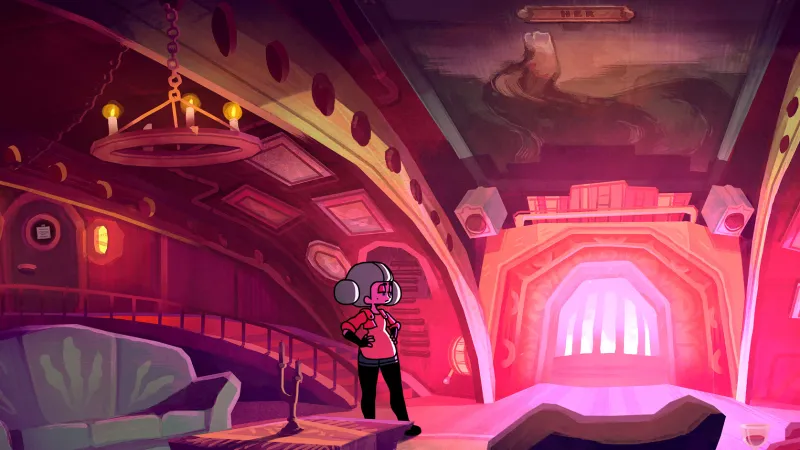
The Mermaid Mask
Some games can be fun multiplayer experiences even if they weren’t intended to be. Solving dense puzzles in Blue Prince or Lorelai and the Laser Eyes as a group is fun, but if you’re mixing in younger players, grab The Mermaid Mask. Captain Magnus Mortuga was murdered aboard his submarine, and the killer is still loose; you’re tasked with gathering testimony, analyzing evidence, and solving bizarre puzzles. Charming animations and voice performances make this a great fit for family, so long as they’re old enough to handle cartoon bloodstains and themes of mortality. – Charles Harte
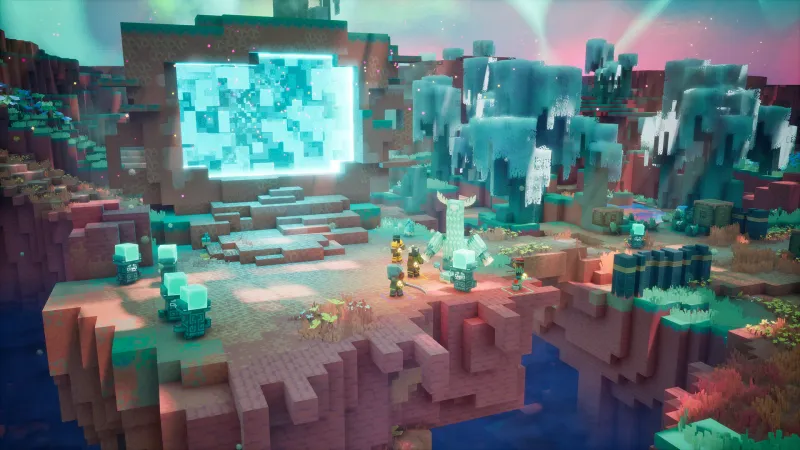
Minecraft Dungeons II
The loot-driven action of the Diablo franchise is a potent mix of multiplayer and RPG mechanics that just about any fan of video games can appreciate. But its violence and tone mean it’s not one you necessarily want to play with younger adventurers. Minecraft Dungeons and its recently released sequel, however, offer the same fun RPG growth trajectory and accessible combat without all that pesky blood. The game also offers local multiplayer for up to four players, which means it’s very easy for the family to get together and play in a world the kids are likely already very familiar with. – Kyle Hilliard
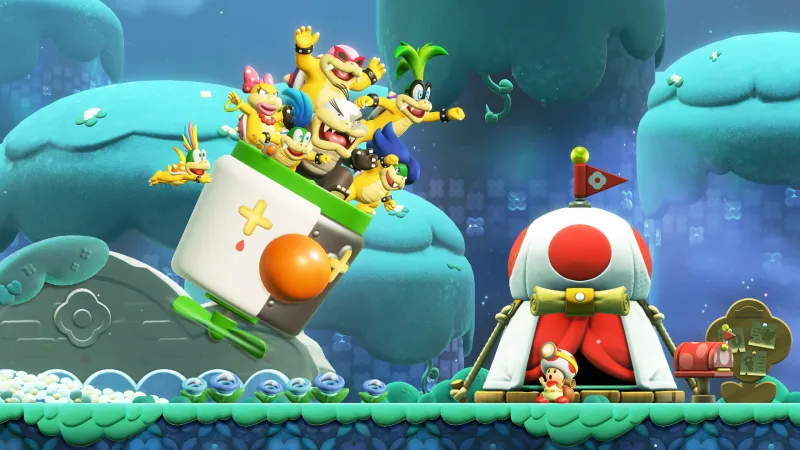
Super Mario Bros. Wonder
Released on Switch in 2023 and ported to Switch 2 with myriad added bells and whistles in 2026, Super Mario Bros. Wonder expertly toes the line between new and old. Fans of Mario’s NES roots can enjoy the plumber’s latest adventure and experience some of the best 2D platforming the medium offers, and new players get to learn what makes the world of Mario so charming. With multiple playable characters, local co-op play, and lots of options to try different abilities, Wonder is a great introduction to Mario and also just a great game. – Kyle Hilliard
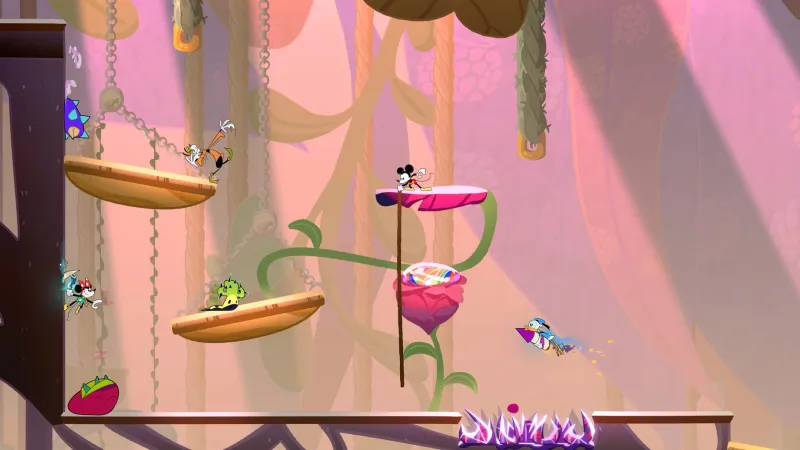
Disney Illusion Island
Disney Illusion Island is an all-ages adventure that can double as your child’s first-ever platformer and a family co-op session centered around the joy of movement in games. Play as Disney’s iconic Fab Four – Mickey, Minnie, Donald, and Goofy – as you explore the various biomes of the mythical Monoth while trying to save its inhabitants. There’s no combat, so even your littlest ones can enjoy the fun of exploring these beautifully hand-drawn 2D spaces, and hilarious cutscenes will have everyone on the couch laughing. Three free DLCs will keep the adventure going after credits, too. – Wesley Leblanc

The Jackbox Party Pack 12
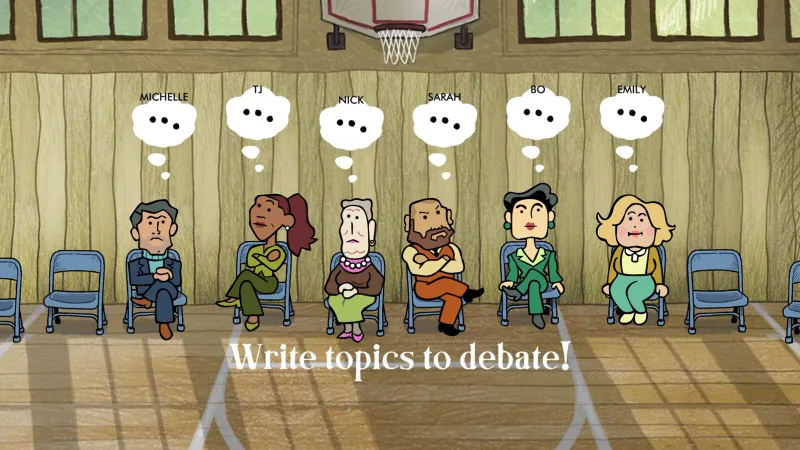
When it comes to playing a video game with family of any age – young, old, or in the middle – you really can’t go wrong with a Jackbox game. There is some reading required, but if you know how to use a phone, then you can participate, and you will enjoy yourself. 12 includes a game about sorting trivia questions into the right categories at high speed, one where you try to make the most ridiculous greeting card, a game encouraging silly debates, one that identifies connections among everyone playing, and finally Hyperface, where you manipulate selfies. Just make sure to toggle on the “family-friendly” option in the settings to omit some of the more adult jokes and prompts. – Kyle Hilliard
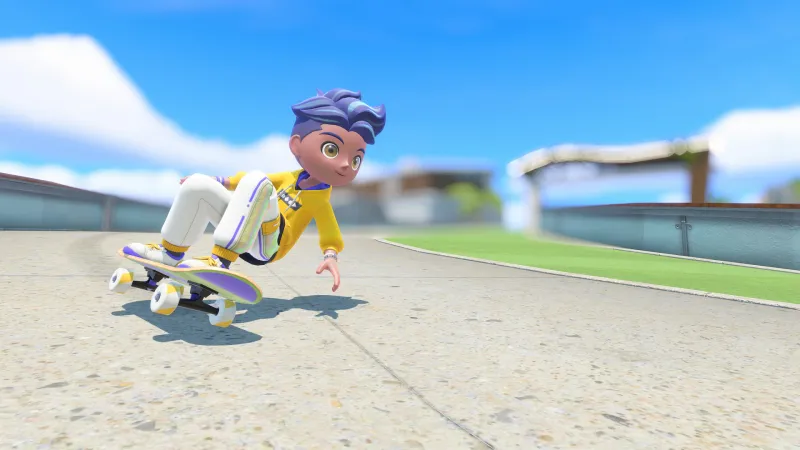
Nintendo Switch Sports Resort
Everyone remembers the excitement of Wii Sports back in 2006. That game, with its fun selection of tech-demo sports minigames, permeated pop culture and reached a mainstream audience in ways few other games can claim. Nintendo Switch Sports Resort may not have the same cultural impact as Wii Sports, but it’s a superbly fun and approachable collection of sports-based minigames. Whether you want to reignite your love for virtual bowling and archery or cruise around Wuhu Island on land, sea, or air, Nintendo Switch Sports Resort is an enjoyable experience that’s simple to pick up and play for gamers of all ages and experience levels. Read our full review. – Brian Shea
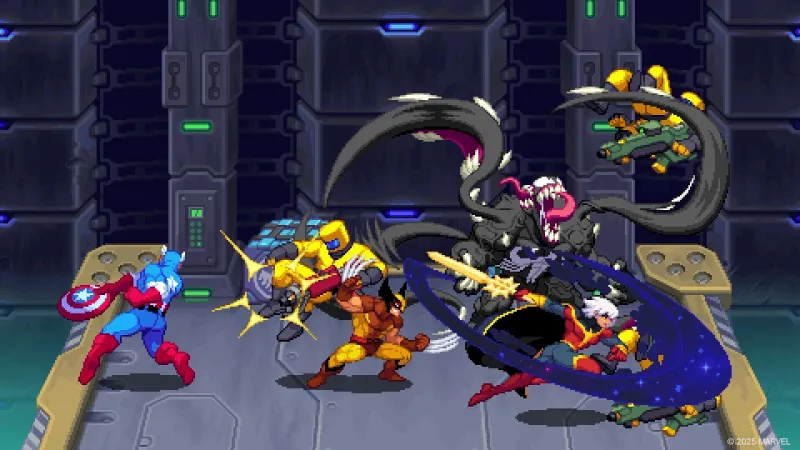
Marvel Cosmic Invasion
Convincing kids to do a family activity isn’t always an easy task, but saying the words, “You can play as Spider-Man,” makes it a whole lot smoother. Marvel Cosmic Invasion is a beat ’em up reminiscent of arcade classics from the ’90s, but with modern controls and conveniences. Kids will have fun with favorites like Iron Man, Captain America, and Black Panther, while older superhero fans will appreciate inclusions like Phyla-Vell and Beta Ray Bill. With approachable controls, vibrant pixel art, and an electric soundtrack, it makes for a super Saturday morning experience. – Charles Harte
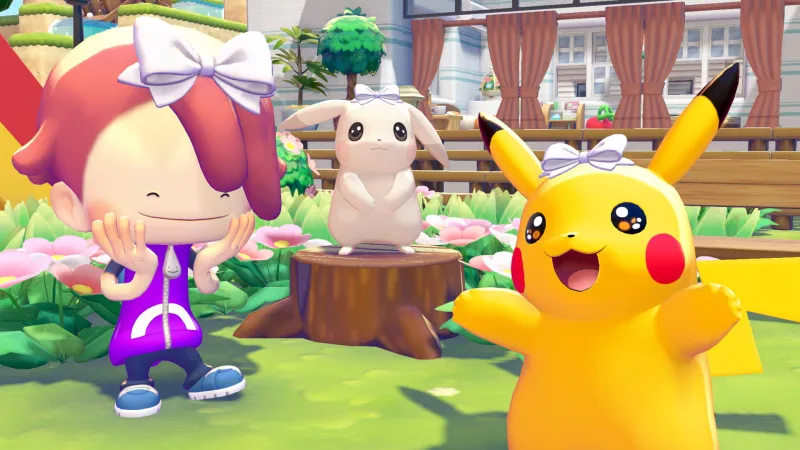
Pokémon Pokopia
Since the world of Pokémon debuted in Japan in 1996 on the Game Boy, it has evolved to become a cross-generational staple for nostalgic adults and young players eager to learn about and pick their favorite creature. Pokopia is arguably the best Pokémon game in years and is a much more relaxing affair than the games that revolve around combat. Progress requires some reading, and it’s worth noting that the multiplayer options are limited, complicated, and require multiple Switch 2 consoles. But as a fun pass-the-controller way to work together and build a new world for all your Pokémon experience, it is an undeniable success. – Kyle Hilliard
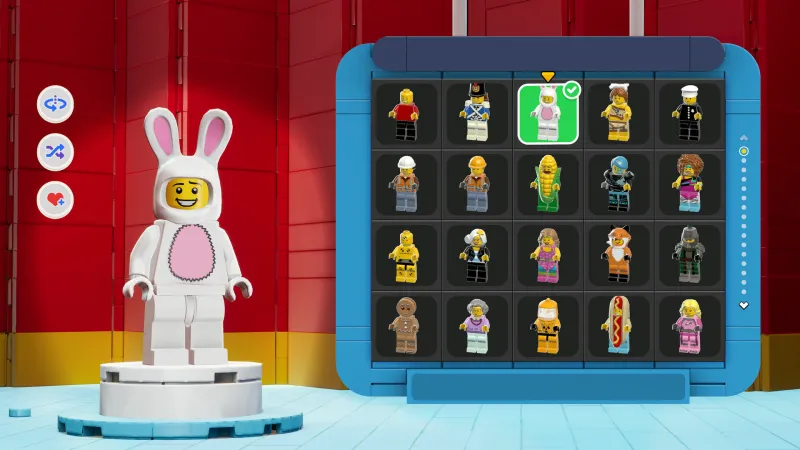
Lego Party
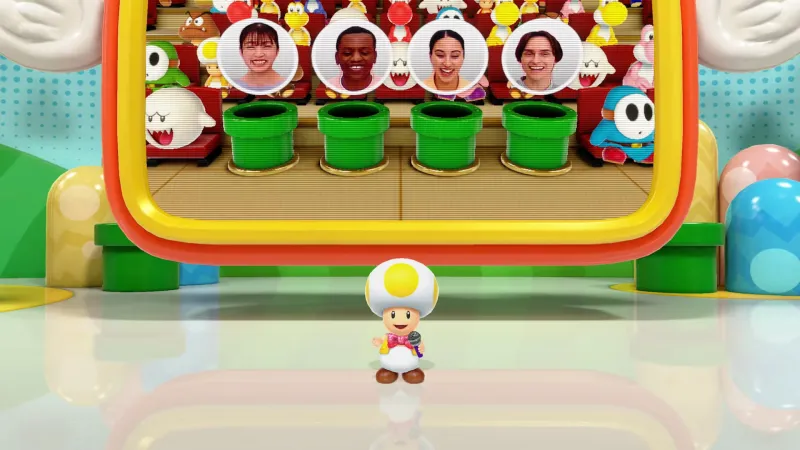
Mario Party is admittedly the king of the board game-style genre it popularized (and 2024’s Super Mario Party Jamboree is a great option in that regard), but Lego Party is a genuine contender for the genre crown. The Lego of it all offers more flexibility in terms of theming for worlds and minigames. Players also vote on the minigames they want to play, and winning awards more than just currency – it also affects subsequent turn order, which makes it all feel a little more rewarding. The consistent commentary is also genuinely funny and helps keep everyone engaged while others take their turns. – Kyle Hilliard
About the Author