S-Game’s ambitious AAA debut, *Phantom Blade Zero*, is shaping up to be a monumental achievement for character action titles. Transitioning from small-scale and mobile development to full-fledged blockbuster production, the studio demonstrates a profound study of genre legends like *Devil May Cry*, *Sekiro: Shadows Die Twice*, and *Elden Ring*. Rather than merely imitating these benchmarks, the developer has forged a high-octane experience that feels poised to stand alongside them. With a final scored review pending to fully explore its narrative-altering endgame quests, the initial impression is undeniable: this is one of the most remarkable action games in recent memory.
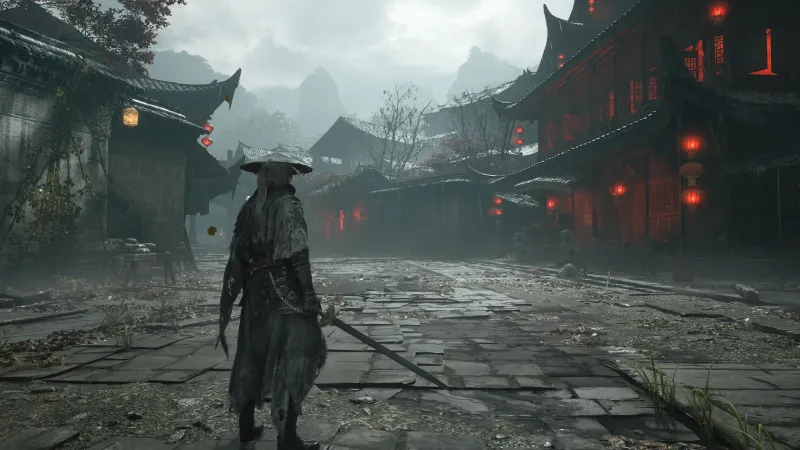
Set within Wulin—a dark fantasy interpretation of China’s martial underworld—the campaign follows Soul, a quiet, stoic master betrayed by the very Order he swore to serve. As a conspiracy threatens to consume the realm, players must navigate a landscape filled with treacherous sects, monstrous beasts, and deadly automata. While the core narrative relies on familiar genre tropes, the overall presentation is top-tier. Breathtaking visual fidelity, near-lifelike facial animations, and cinematic cutscenes carry the emotional weight, particularly when experienced with the recommended Chinese voice performance.
Combat serves as the title’s absolute centerpiece, offering an astonishing degree of depth and customization. Weapons function similarly to unique character rosters in a fighting game, featuring vast movesets, upgrade trees, and powerful “Soul Temper” abilities that completely alter their properties. When combined with secondary “Phantom Edges”—such as game-changing power fists—and various combat accessories, player build permutations are virtually endless. Whether managing shifting states in a drunken martial arts style, trading health for massive bleed damage, or unleashing elementally infused weapon strikes, the mechanical variety ensures the moment-to-moment action remains consistently exhilarating.
While the level layout features interconnected biomes and shortcut-heavy architecture reminiscent of modern action RPGs, *Phantom Blade Zero* wisely charts its own course rather than strictly adhering to “Soulslike” mechanics. Checkpoints known as Phantom Bells provide refuge, but resting does not revive fallen foes. This permanent clearance creates a tangible sense of progression as Soul purges evil from the world. Furthermore, granular difficulty options and generous parry/dodge assistance items make the intense combat accessible to a broad spectrum of players without sacrificing execution-focused mastery.
Encounter design is equally impressive, featuring a roster of nearly a hundred boss battles heavily inspired by classic Wuxia cinema. S-Game thoughtfully respects the player’s time by adding checkpoints between complex boss phases, eliminating repetitive early-stage slogs and allowing full focus on mastering challenging late-phase patterns. Even routine fights against lower-tier enemies elevate into fluid, martial-arts spectacles when executed with precise controller inputs. Ultimately, *Phantom Blade Zero* is far more than a strong debut—it is a stunning showcase of dynamic action design that demands to be experienced.
About the Author