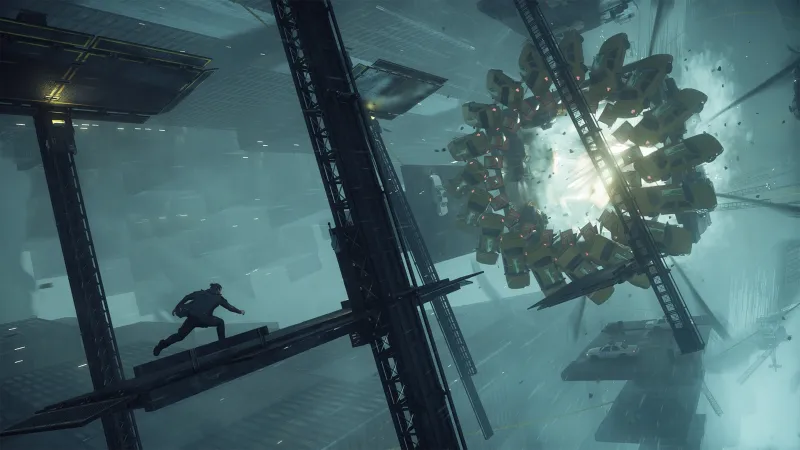
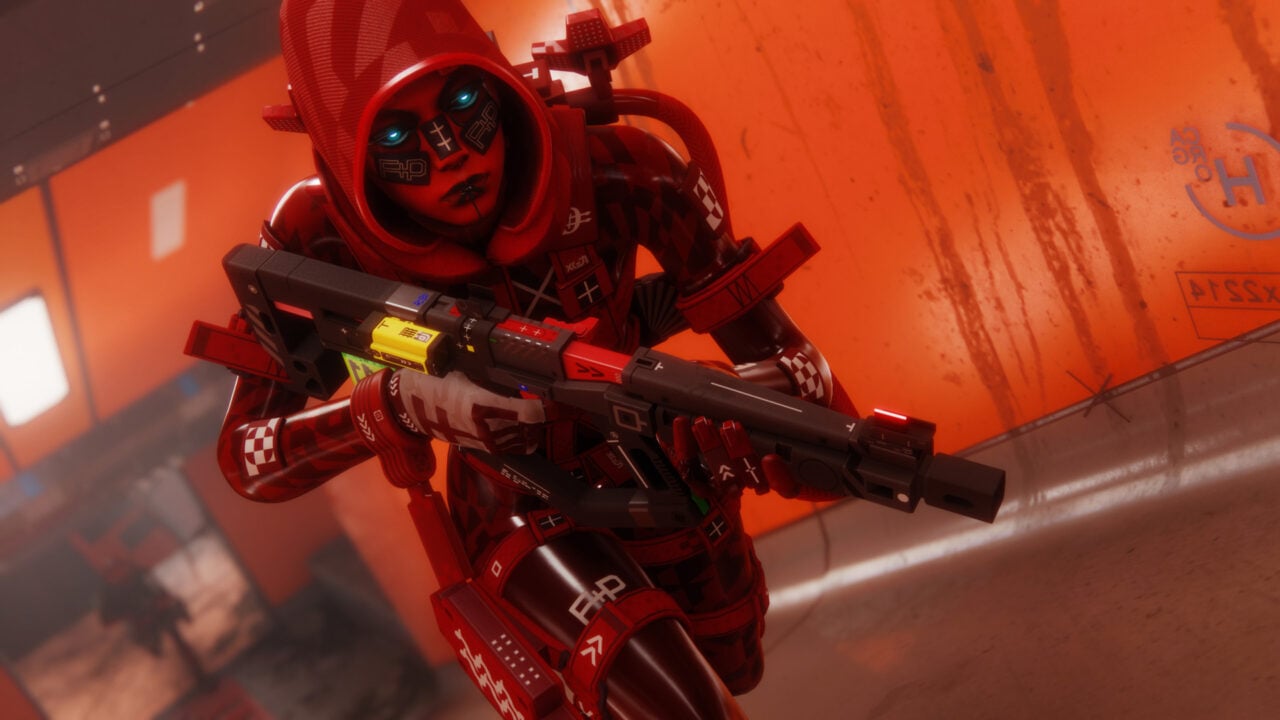
I tend to appreciate risky new ideas over safe sequels, so I was pretty interested to see what the Plague Tale series would be like without its signature tornadoes of man-eating rats. But while Resonance: A Plague Tale Legacy makes plenty of intriguing changes, like its focus on a different protagonist and all-new cast of supporting characters, most cause it to fall short of capturing the same magic as its predecessors. This prequel story moves away from rat armies into more ancient, unexplored horrors that don’t live up to the high standards of the series, and its shift from stealthing around as a conflict-averse child to straight up knifing folks to death in melee combat never quite works when the fighting itself is too bare bones to sustain this 12-hour campaign. That said, the simple but entertaining puzzles, gorgeous environments, and tense stealth sections that eventually arrive later on are still mostly worth playing, but this side quest feels like it takes more steps backward than forwards overall.
Resonance follows the same third-person adventure playbook that you’re probably already familiar with. In the storied tradition of fellow “crevice crawlers” like Star Wars Jedi: Survivor or God of War, you’ll pass through a series of small combat arenas and puzzle rooms with a companion in tow as you banter with one another and the load-bearing story slowly unfolds. Most of this feels pretty similar to the previous Plague Tale games, with some pretty notable exceptions: Hugo and Amicia have been replaced with one of the supporting characters from A Plague Tale: Requiem, Sophia, and the stealth mechanics have mostly been swapped out for the typical third-person melee combat that’s common in these kinds of games. Unfortunately, like many of its peers, it also does that super annoying thing where characters immediately shout out the solutions to every single puzzle mere seconds after you step into a room – but thankfully there’s an option to turn that off, which I did immediately and with great prejudice.
While Resonance’s story is one of its strong suits, it’s still not quite on par with the rest of the Plague Tale series. What starts as an Uncharted-like treasure hunt devolves into a horrifying doomsday scenario that mirrors a lot of the same themes as Innocence and Requiem, but with a cast that gets significantly less care in how they are developed. It’s like they were trying to speedrun through the backstory for Sophia, who was a fairly flat character in Requiem. There, she was a generic outsider with a heart of gold who doesn’t have much of an arc, so Resonance had quite a bit of heavy lifting to do while fleshing her out. It succeeds only modestly on that front – I definitely knew her better and cared about her more after experiencing her harrowing tale firsthand, but also found myself perplexed by the fact that she still doesn’t have a real character arc, beginning and ending as the same scallywag in pursuit of treasure. That feels a little wrong with the lifetime of trauma I just piloted her through.
Instead, the ancient history you uncover actually pays off far more than Sophia’s personal journey. The bits and pieces that are revealed through flashbacks unravel the mystery of the long-dead civilization that’s at the center of her treasure hunt, and the characters, twists, and dialogue in these sequences drew me in far more than the hunt itself. By the end, it almost felt like Sophia was just a sidekick along for the ride (like she was in Requiem) rather than the focus.
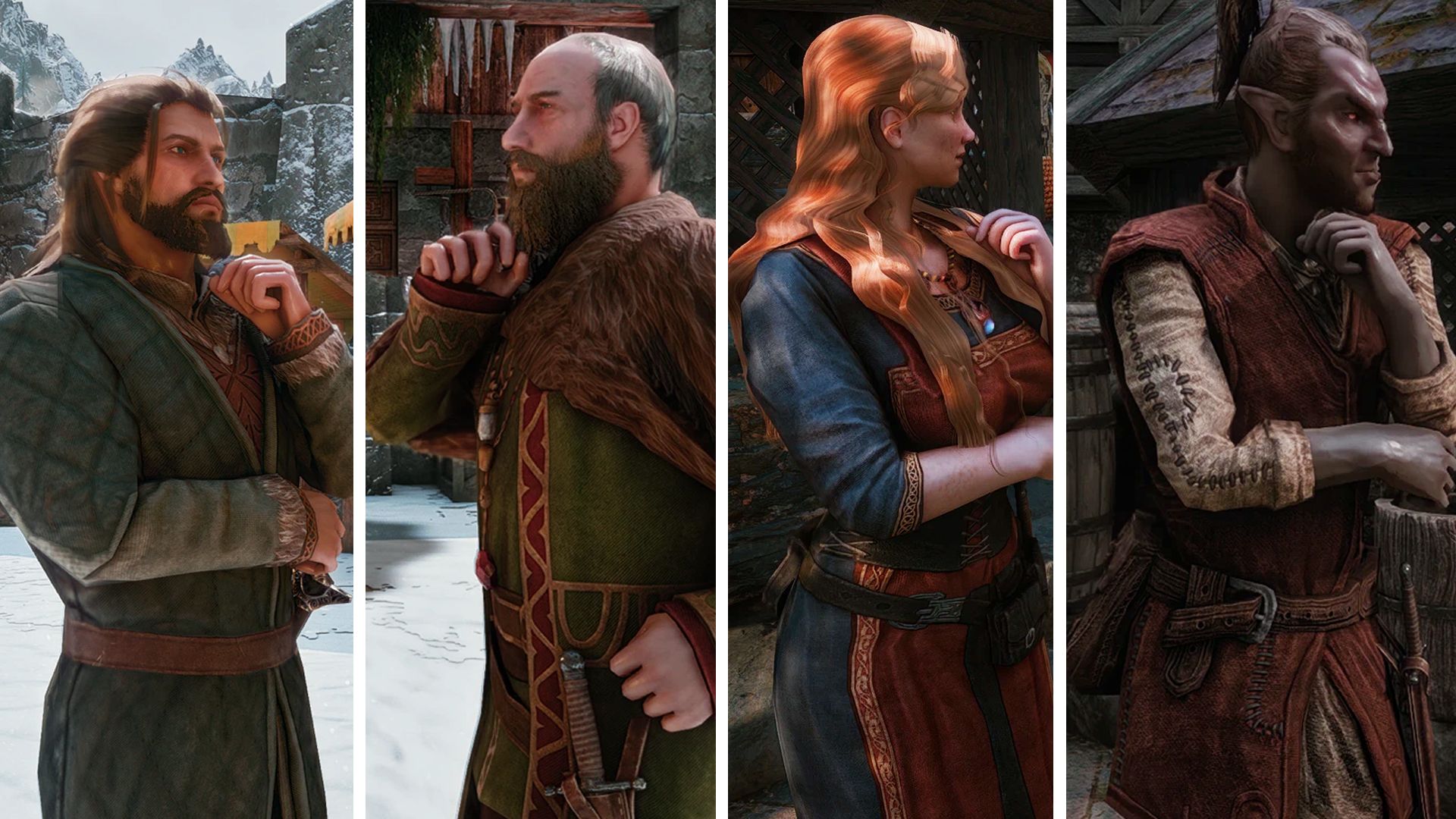
The side characters have many of the same issues as Sophia, like Leni, the luck-obsessed pickpocket who tags along but never has anything interesting to say, or Faro, the captain of your pirate crew whose only likable trait is how much of a complete knucklehead he is at every leg of the journey. Despite spending a pretty good chunk of time solving puzzles and chatting with these folks, they never grew on me as much as I’d hoped, even if Faro’s hilariously terrible haircut did make me laugh every time I saw it. That really highlighted how crucially important the relationship between Hugo and Amicia has been in the other Plague Tale games, and this cast doesn’t fill the void all that effectively. They’re not bad per se, but don’t leave nearly as strong of an impression as I’ve come to expect from games that are as focused on the story as this.
The biggest difference with this prequel spinoff is that instead of creeping around armored enemies you have no chance harming, you’ll be standing your ground with a sword in hand, parrying and dodging about the battlefield and taking out enemies in simple, repetitive encounters. The shift from stealth to all-out combat isn’t the most seamless transition – not exactly bad, but consistently shallow and sometimes sloppy, with standard light and heavy attacks, a kick to break your opponent’s guard, and just a handful of bad guys with two or three different attacks to learn. So much of the time between its entertaining puzzles is spent in these claustrophobic arenas, but there’s so little depth to combat that it almost immediately felt too one-note to sustain my interest. I mostly just wanted to get these humdrum encounters done with as quickly as possible to get back to the story and puzzles that are a substantial step above.
You at least have a skill tree you’ll occasionally be able to buy a new perk in, which do things like give you a more powerful kick that knocks people back or gain temporary protection from damage after killing enemies. But these are mostly modest upgrades that help combat go by a little faster without making it any more entertaining. Hilariously, every once in a while Resonance will introduce a new mechanic to shake up the action, like glowing red attacks you can’t parry, only to then offer skill tree upgrades that make it so you can just… parry those red attacks, functionally removing that new mechanic so combat stays overly straightforward.
In between combat, you’ll have a welcome break from fighting as you solve the kinds of light-manipulating puzzles for which the series has always been known. These are easily the most enjoyable part of the adventure, though many of them are super simple light reflecting puzzles where you’re moving mirrors around to point a beam at a door. I’ve probably played about a hundred games with puzzles exactly like this, and while I don’t need Resonance to break a ton of new ground here, they do feel like a bit of a step backward compared to the clever ways the other Plague Tale games asked me to clear my path of rat hordes. That said, when the puzzles do hit, which is maybe half the time, it can be a lot of fun to snoop around old places and piece together clues from an old journal like something out of Indiana Jones.
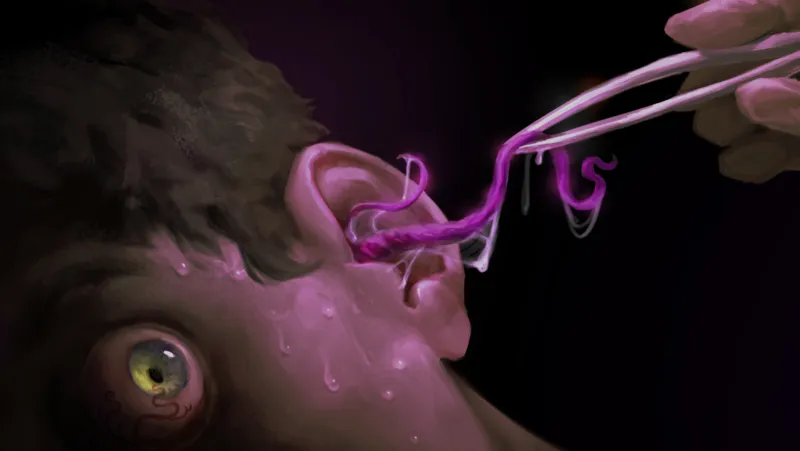
Thankfully, these high points become more frequent later on, when the horrors of the rats are finally replaced by a new kind of danger. I won’t spoil it for you here, but certain sections return to the type of enemy you’ve no hope of facing head-on, forcing you to get creative in escaping it. You fight this new problem by, you guessed it, reflecting light into dark areas, so some of the puzzles are the same kind of unoriginal stuff you were already doing – but because the stakes are so much higher and the process of outsmarting the enemy is so much more exciting than simply opening a door, these sections immediately feel interesting and original in the way most encounters lacks for a large chunk of the story. This sort of stuff is what the Plague Tale games have always done best, and introducing a new kind of thing to be terrified of is pretty awesome, even if you do have to deal with the significantly less exciting combat encounters that continue to happen in between.
feedzy_import_tag
About the Author